
Welcome to week 5 of the weekly articles from the 72 Hours Life Community. Each week we take one idea from There Are 72 Hours in a Day or The 72 Hours in a Day Workbook and turn it into something you can use before the week is out.
We have spent four weeks on our time: where the hours go, how to plan the week around what matters, how to protect the first 72 minutes of the day, and how to put our best work on the crest of our energy. All of it points at the same destination. Things getting finished. This week we go where most good intentions quietly die. Not the calendar. The almost-done pile.
You know the pile. The proposal sitting at ninety percent. The draft that became draft two, then final, then final-revised. Unfinished work does not sit quietly. It takes up room in your attention every time your eye lands on it. The workbook puts it plainly: activity feels like progress, but only completion moves your life.
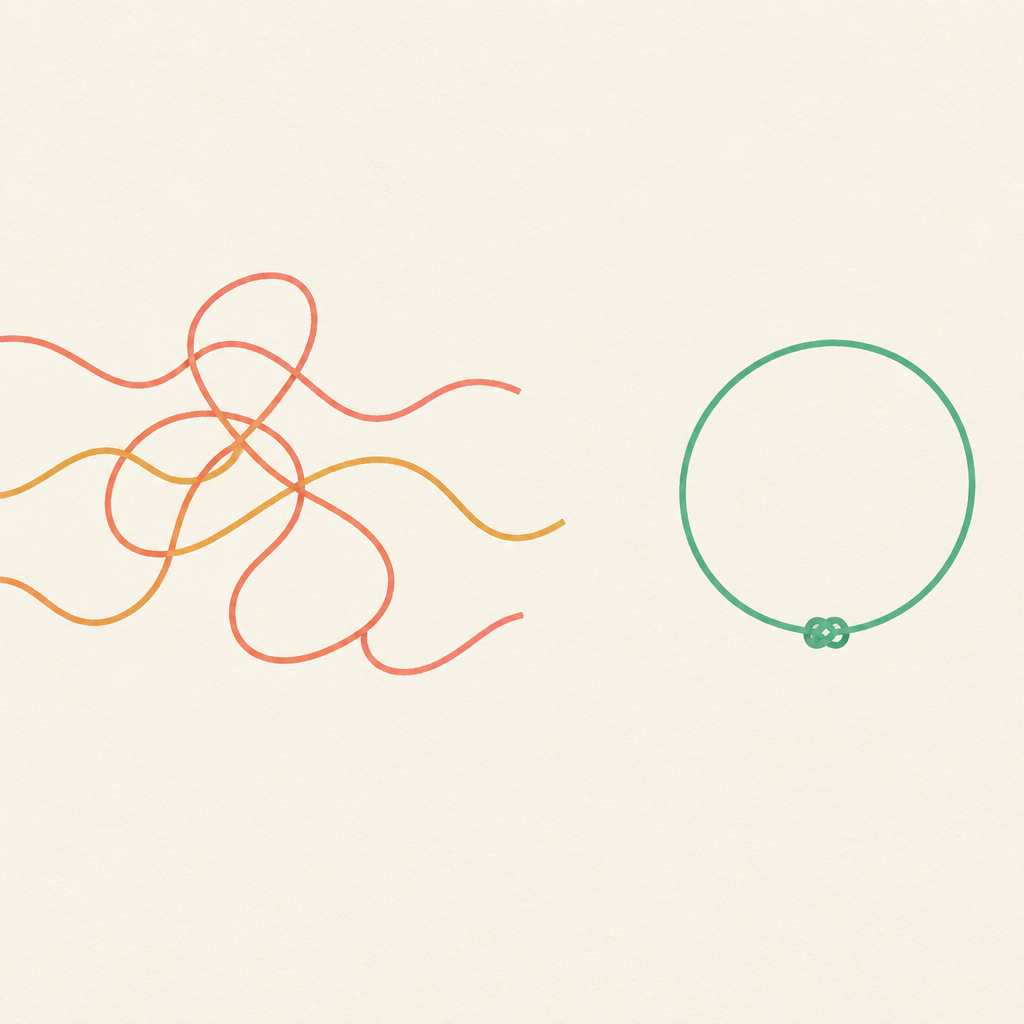
Step 1: Count Your Open Loops
Set a timer for fifteen minutes and write down everything you have started and not finished. The half-read book on the nightstand counts. So does the insurance form, the email you drafted and never sent. Do not judge the list while you write it. Get it out of your head and onto paper, where it stops buzzing. Most people land between twelve and thirty items, and the weight they have been carrying suddenly fits on one page.
Step 2: Find the Ones Already Nearly Done
Circle every item more than halfway finished. In a typical pile, a third sit at eighty or ninety percent. Those are your cheapest wins, and almost always the last ones we touch, because the unfinished thing has stopped being interesting and the new thing is right there shining.
The arithmetic here changes how you feel about it. The final stretch takes about as long as the first long stretch did, and every time you walk away you pay the warm-up cost again. Restarting is expensive. Finishing is cheap by comparison. You are not short on time nearly as often as you are short on endings.
Step 3: Set a Finish Line, Not a Start Date
Pick three circled items. For each, write what done actually looks like in a sentence you could hand to a stranger: the email sent, the form filed, the chapter returned with comments. Then put a finish line on your calendar this week, the way you would a dentist appointment, with one sixty-to-ninety minute block. A ninety-percent task collapses fast once it has an ending date attached. That is what happens when a decision replaces a drift.
And when an item is genuinely dead, say so out loud and cross it off. A closed loop is a closed loop whether it ended in completion or in a clear decision. The only bad option is the third one, where it sits another six months costing you attention for nothing.
This Week:
Spend fifteen minutes tonight making the list, then circle the three items closest to done. Put one finish line on each of the next three days with a real block behind it. By Thursday you will have three closed loops and a quieter head, and you will see why a finished small thing outranks a spectacular unfinished one.
Want to go deeper? Pick up The 72 Hours in a Day Workbook, and join the conversation with the rest of us at the 72 Hours Life Community.